
ENGRAM // THE-TRENCH-ANOMALY
The Trench Anomaly
The dark has weight down here. So does everything you build against it.
- Studio
- Pressure Point Games
- Classification
- Deep-Sea Rogue-Lite / Base Defence & Survival
- Platforms
- PC, Console (Gen-9)
- Engine
- Abyssal Sim Framework
- Filed
- Decrypt Time
- 14 MIN
- Resonance
- 90 / 100
- Operative
- VX_Core Desk
Synaptic Resonance
OVERALL SCORE
90 / 100
The Lore
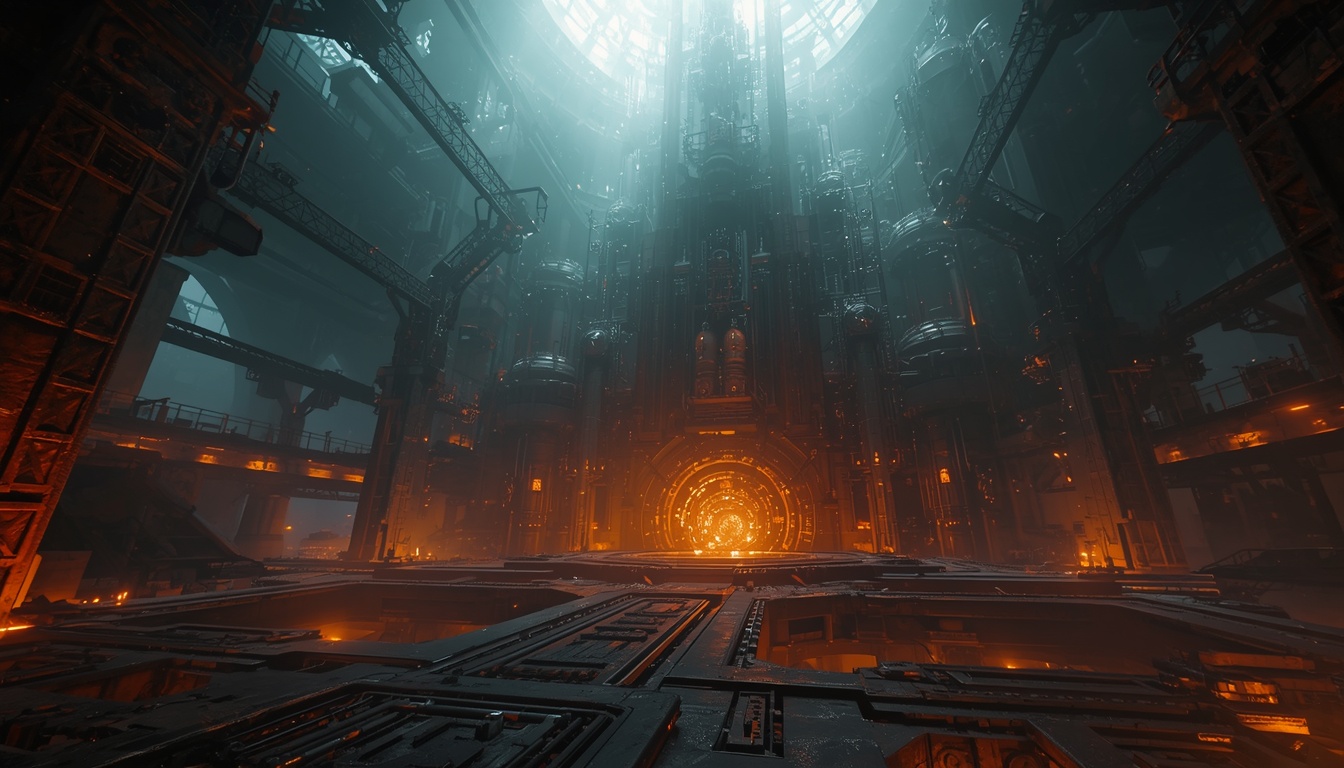
Pressure Point Games drops you at the lip of the Carcosa Trench, where a research consortium's deep habitat has gone silent above a reading the instruments insist is impossible. The Anomaly at the bottom is the destination; the dive is the journey; the dark in between is the antagonist. The fiction is delivered in salvaged logs and the slow corruption of your own habitat's telemetry, never in a talking-head briefing.
The horror is environmental and economic. The deeper you commit, the more the Anomaly rewrites the rules — power behaves differently, sonar lies, and the things that come for the habitat stop obeying the bestiary you have built. Knowledge is the only persistent currency; you leave each failed dive with a better map of how the dark works, which is the entire reason to descend again.
The Mechanics
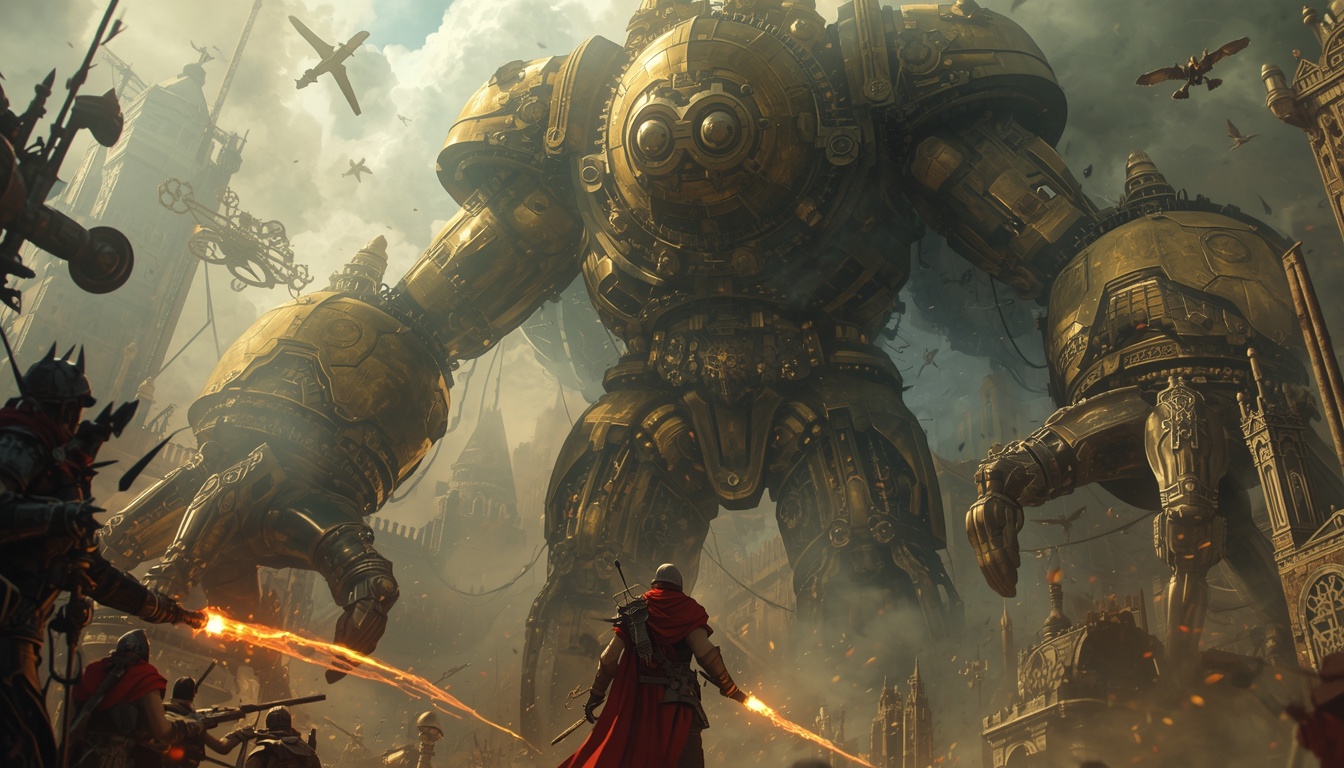
A run is a dive to a target depth, and it fuses two genres cleanly: you explore and harvest in real time, then fortify a habitat and survive scripted-then-escalating assault waves. The clever join is the oxygen-and-power budget — every turret you power and every light you leave on is breath you are not breathing, so defence is literally a trade against your own survival timer.
Meta-progression is knowledge, not numbers. You do not return stronger so much as better-informed: blueprint fragments, creature tells, and pressure-tolerances persist between runs, while raw resources mostly do not. This keeps the difficulty honest — a veteran wins by reading the trench, not by out-statting it — and it is the cleanest expression of the rogue-lite contract we have seen this year.
- Dive-as-run structure: explore, fortify, survive, extract
- Oxygen/power budget shared between survival and base defence
- Knowledge-based meta-progression — blueprints and tells, not stat creep
- The Anomaly rewrites systems the deeper you commit
Audiovisual Matrix
The Abyssal Sim Framework does extraordinary work with almost no light. Visibility is a managed resource, and the art team builds dread out of negative space — you spend most of a dive seeing the edges of things, which your brain finishes far more horribly than any modelled creature could. When the Anomaly finally lights a scene, the contrast is genuinely physical.
Audio is the navigation system. With sight throttled, you learn to read the trench by sound — the change in hull groan that means depth, the sonar return that means company. Pressure Point mixes the soundscape so that silence is the most frightening state, because in the Carcosa Trench silence means whatever was making noise has stopped.


Performance Diagnostic
The Trench Anomaly runs cool because it is, by design, dark — but the wave-defence resolutions are where it earns its frame-rate. On Gen-9 it holds 60 through swarms of several dozen actors, and the volumetric fog that does so much of the horror work is well-optimised, costing only a handful of frames at its densest.
Run-start load is near-instant on SSD, which matters in a rogue-lite where you will restart often. We encountered no crashes across a full campaign and a dozen failed dives; the one rough edge is occasional sonar-UI flicker under heavy particle load, purely cosmetic.
The Verdict
The Trench Anomaly is the smartest survival design of its cohort because it refuses to let you buy your way out of fear. Tying base defence to your own oxygen turns every choice into a held breath, and building progression out of knowledge rather than numbers keeps the dark genuinely dark, run after run. Go down. Learn the trench. Come back with less than you hoped.
Pressure as a verb — the rogue-lite where the dark never gets cheaper.
90 / 100 SYNAPTIC RESONANCE