
ENGRAM // PARADOX-DRIFTERS
Paradox Drifters
Two players, one timeline, and every shot you take rewrites both.
- Studio
- Fracture-State
- Classification
- Co-op Timeline-Manipulation Puzzle-Shooter
- Platforms
- PC, Console (Gen-9)
- Engine
- Causality Engine
- Filed
- Decrypt Time
- 15 MIN
- Resonance
- 90 / 100
- Operative
- VX_Core Desk
Synaptic Resonance
OVERALL SCORE
90 / 100
The Lore
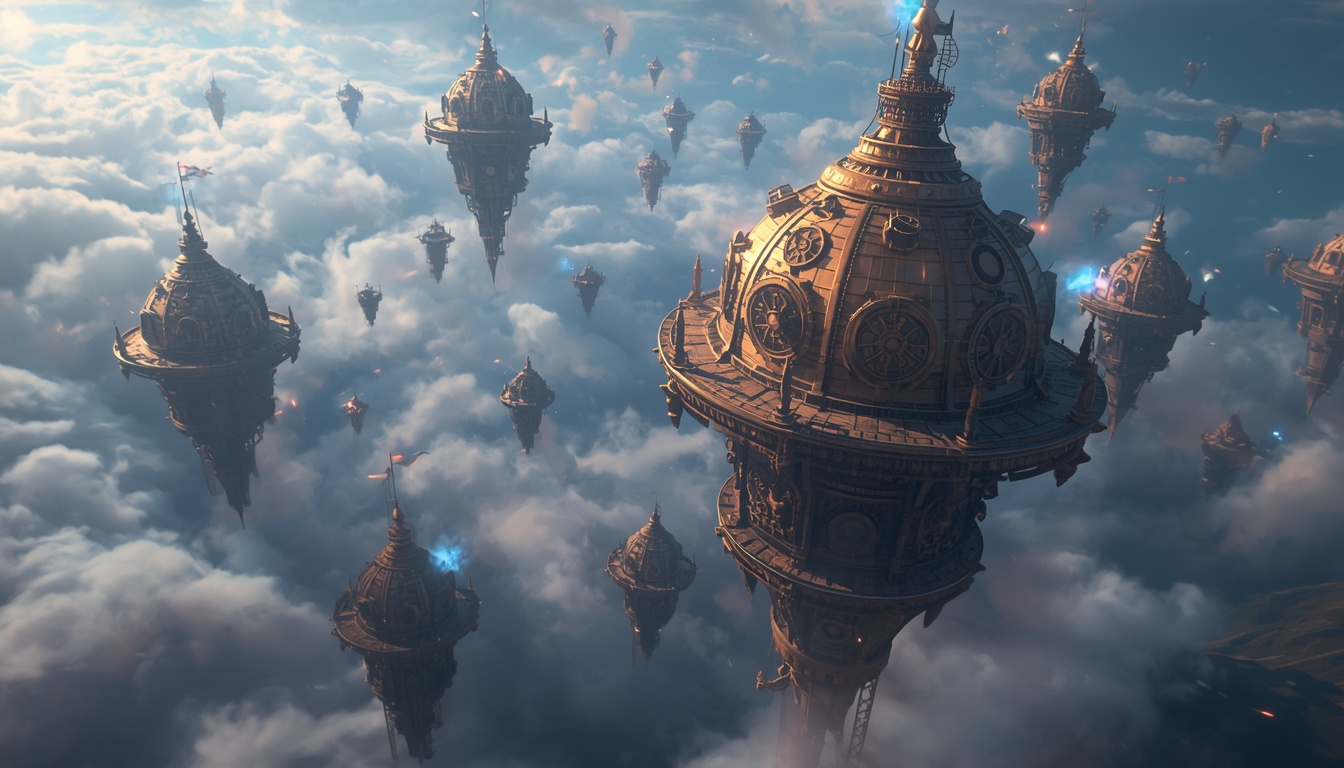
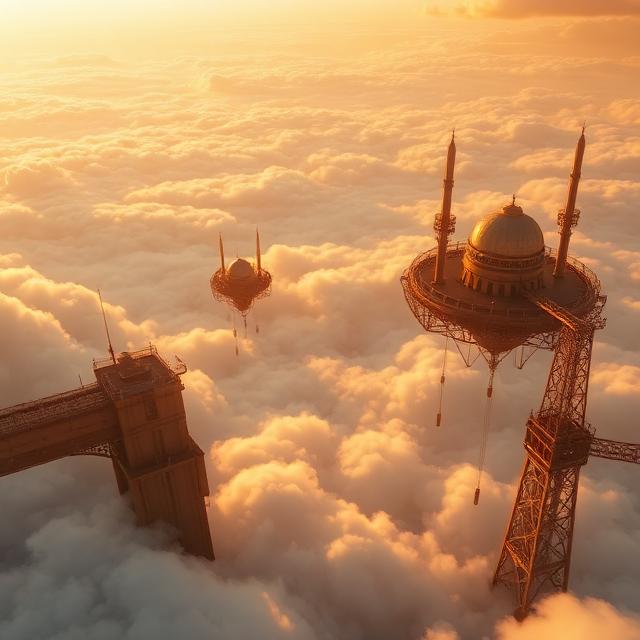
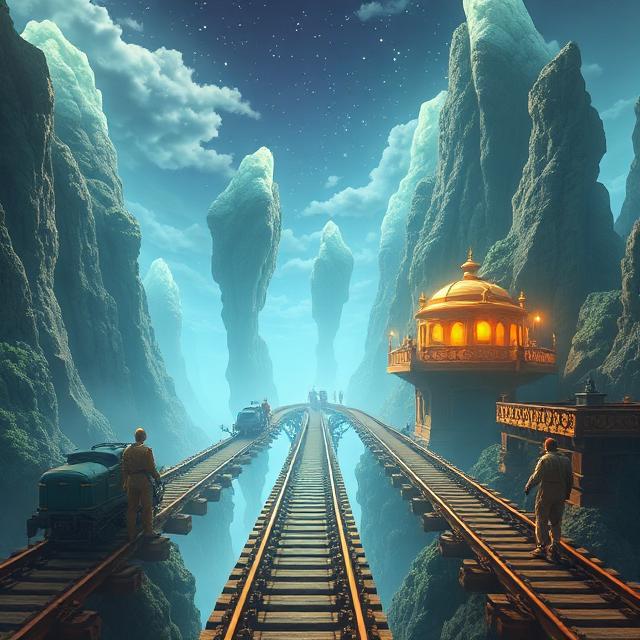
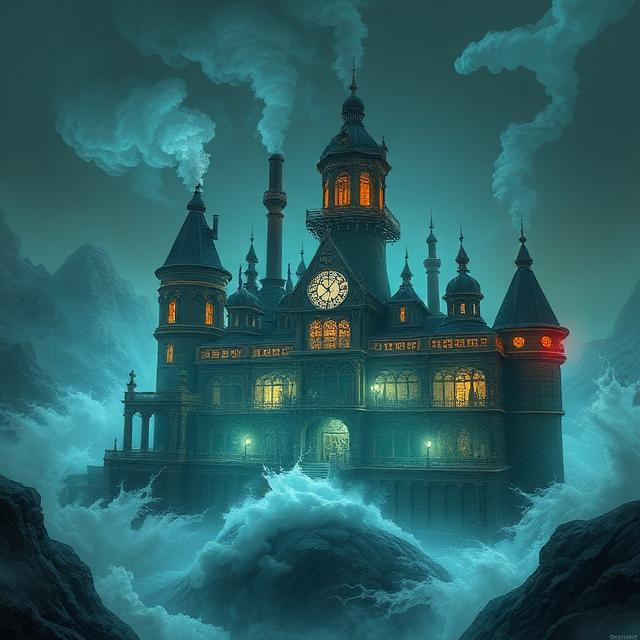
Fracture-State sets Paradox Drifters in Meridian, a clockwork metropolis that fell out of linear time during an experiment nobody will admit to authorising. You and a partner are Drifters — agents who can move through the city's fractured timeline to stitch it back together, or pull it apart further if you are careless. The premise is a delivery system for the mechanics, and the studio is refreshingly upfront about that.
The story justifies the co-op rather than decorating it. The two Drifters are explicitly out of phase with each other — one runs slightly ahead in time, one slightly behind — and the plot beats are built so that each player witnesses events the other cannot. The narrative only resolves when both players compare what they saw, which is the same demand the mechanics make of you.
The Mechanics
Time is the shared resource. Each Drifter controls a different axis — one player can rewind local objects, the other can pause and snapshot them — and almost every puzzle and firefight requires layering those powers in sequence. You catch a bullet, your partner rewinds the shooter, you replay the round into them. Solo play is impossible by design, and the game does not pretend otherwise.
The Causality Engine enforces real consistency: rewinds create branching object-states that the engine reconciles live, so a clumsy pair can genuinely paradox-lock a room into an unsolvable tangle and have to reset it. This is the boldest choice in the design — the systems will let you fail in ways most co-op games carefully prevent — and it is exactly what makes a clean solve feel earned rather than gifted.
- Split time-axes: one Drifter rewinds, the other pauses/snapshots
- Shared causality meter — both players spend from one budget
- Live branching object-states that can paradox-lock if mismanaged
- Encounters require asymmetric information exchanged out loud
Audiovisual Matrix
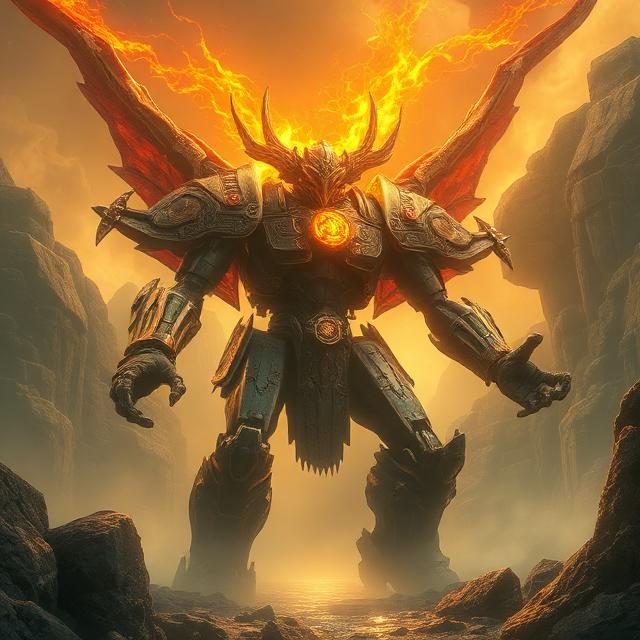
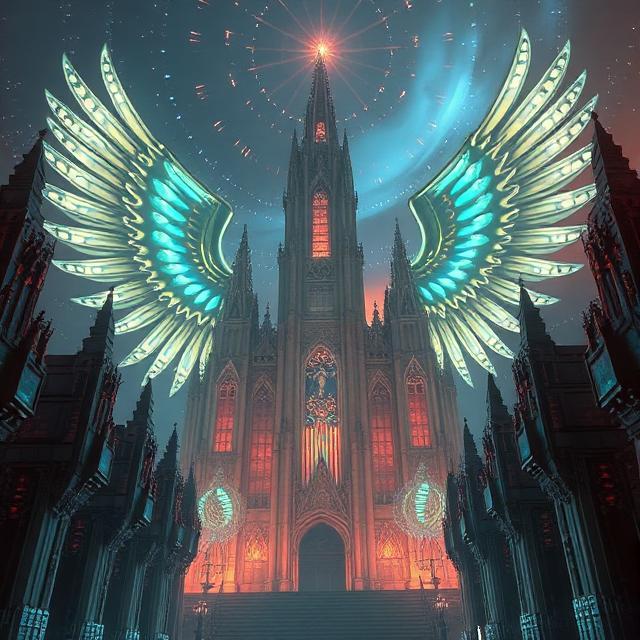
Meridian is all brass, glass, and arrested motion. The Causality Engine visualises time-state directly — rewound objects trail ghost-frames, paused ones desaturate to clockwork grey — so the screen is always legibly telling both players what part of the timeline they are touching. It is information design disguised as art direction, and it is superb.
The score is a two-track composition that drifts in and out of phase to mirror the two Drifters, resolving into a single line only at the moment a puzzle is solved. It is one of the few soundtracks we have heard that is mechanically load-bearing: when the music aligns, you know your timelines have too.

Performance Diagnostic
Paradox Drifters has an unusual performance profile because the engine is reconciling two divergent object-states continuously. On Gen-9 it holds 60 comfortably in normal play, with measurable but well-managed cost when a room is heavily branched — we saw dips into the low 50s only during deliberate worst-case paradox tangles, which are self-inflicted.
Netcode is the real test, and it largely passes: the shared timeline is server-authoritative, and we experienced rollback artefacts only on connections above 120 ms ping. Same-couch splitscreen is the most stable way to play and the one we recommend for first-timers.
The Verdict
Paradox Drifters is a genuine co-op original — a shooter that is unplayable alone and unsolvable in silence. By making time a shared budget and letting players truly break the timeline, Fracture-State built something that demands communication rather than rewarding it as a bonus. Bring a partner you can think out loud with. It is essential, and it is the whole point.
Unplayable alone, unsolvable in silence — co-op as it should be.
90 / 100 SYNAPTIC RESONANCE