
ENGRAM // BLIGHTED-AEGIS
Blighted Aegis
Every soldier you bury stays buried. The siege does not.
- Studio
- Iron-Blood Studios
- Classification
- Gothic-Horror Tactical RPG / Permadeath
- Platforms
- PC, Console (Gen-9)
- Engine
- Sepulchre Tactics Core
- Filed
- Decrypt Time
- 14 MIN
- Resonance
- 94 / 100
- Operative
- VX_Core Desk
Synaptic Resonance
OVERALL SCORE
94 / 100
The Lore
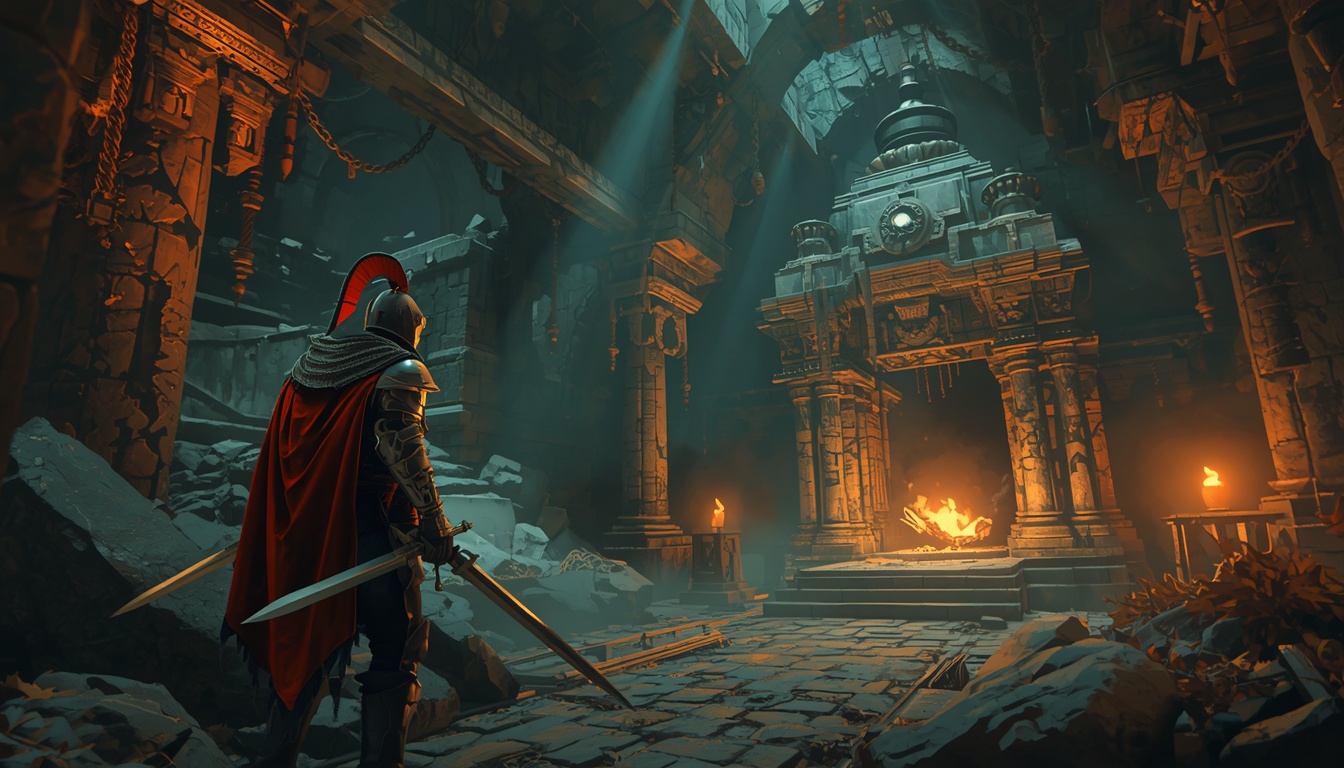
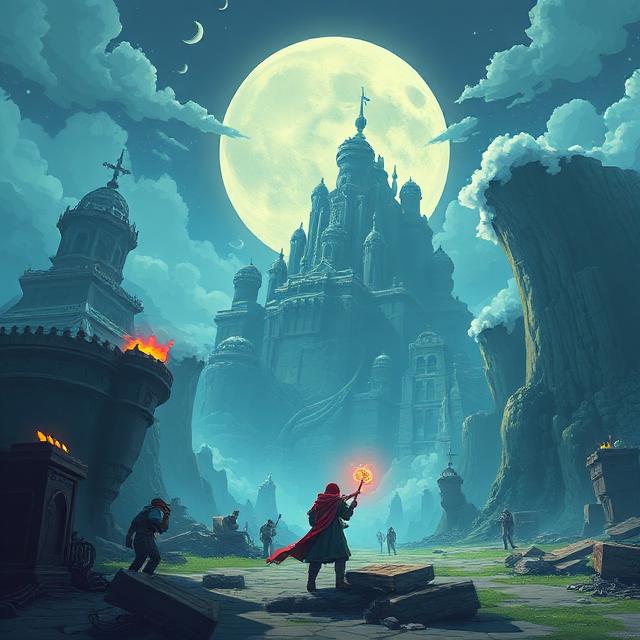
Iron-Blood Studios builds Blighted Aegis around a single fortress, the Aegis, and the long bad night it spends dying. A corruption called the Blight has turned the surrounding province into something that walks, and the Aegis is the last wall between it and the lowlands. You command the garrison. The game never pretends you will all survive.
The writing treats your soldiers as people specifically so that losing them costs something. Each recruit arrives with a two-line history, a fear, and a relationship to someone else on the wall. When a soldier dies, the survivors who knew them gain the Grief trait — a permanent statistical scar that the game refuses to let you heal away. The lore is, functionally, a ledger of consequences.
The Mechanics
Combat is grid-based and deterministic-leaning: hit chance is shown to the percentage, but the game leans on a Dread system that quietly raises the cost of cowardice. Keep units huddled in cover too long and Dread rises, degrading aim and eventually triggering a panic that you do not control. The optimal line is almost always more aggressive than feels safe, which is the entire psychological trap.
Permadeath is the resource economy. You cannot recruit your way out of a bad night; replacements arrive slowly and undertrained, so every veteran is a compounding investment you are terrified to spend. The campaign is structured as a series of sieges with no full heal between them, meaning a Pyrrhic victory in chapter two can quietly lose you the war in chapter five.
- Deterministic hit chances — no hidden dice fudging
- Dread system punishes turtling and rewards disciplined aggression
- Grief traits permanently scar squads that lose their own
- No inter-siege full heal: wounds and losses compound across chapters
Audiovisual Matrix
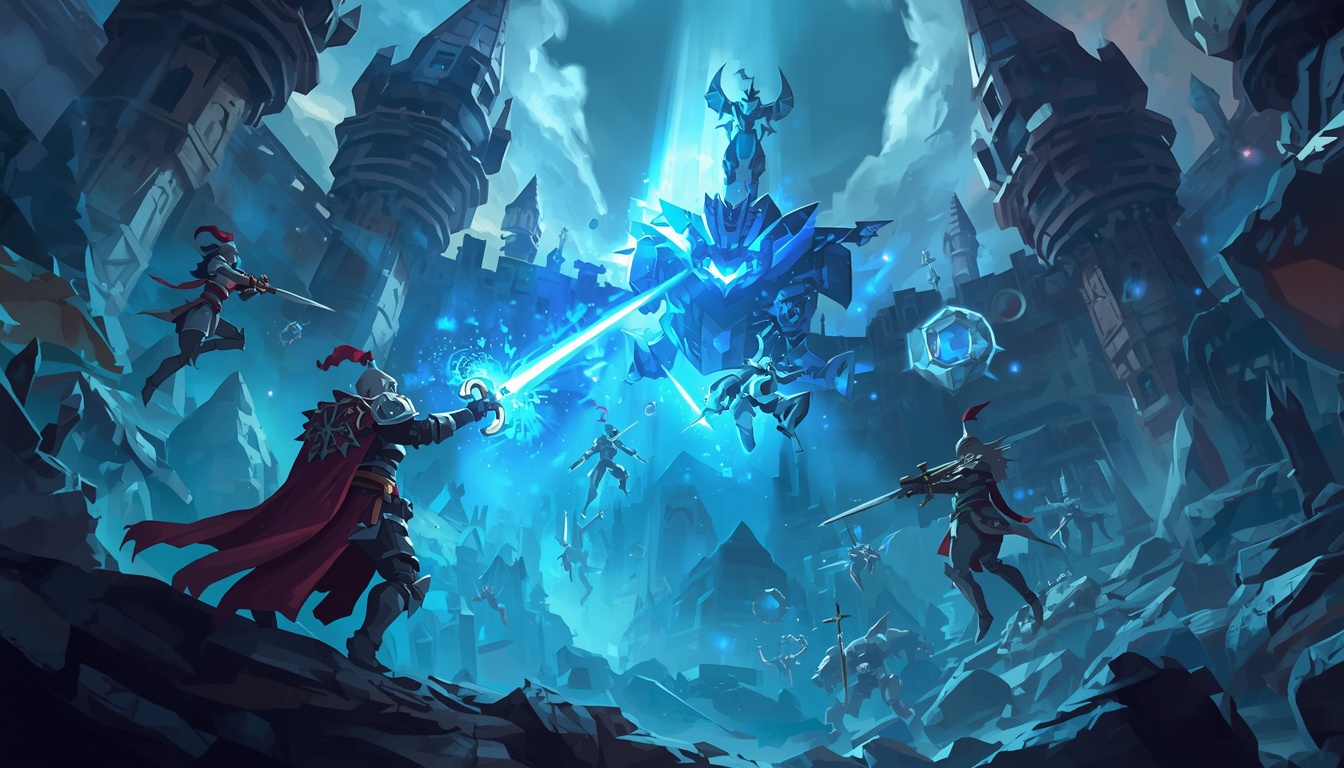
The Sepulchre Tactics Core renders the Aegis in candle-light and cold blue, a deliberately restricted palette that makes the rare ember of the Blight read as genuine threat. Iron-Blood shoots its tactical camera low and close, so every exchange feels like it is happening at the level of the soldiers rather than from a general's tower.
Audio is the horror engine. There is no jump-scare orchestration; instead a low, structural drone tracks the Dread meter, and when a unit panics the mix strips to a single ringing tone. The memorial theme that plays over the names of your dead is the only warmth in the entire soundtrack, and the game weaponises that contrast ruthlessly.


Performance Diagnostic
As a turn-based title Blighted Aegis is not stressing hardware, and it holds its target frame-rate without complaint even during the largest forty-unit siege resolutions. Turn-resolution time — the gap between you ending a turn and the enemy finishing theirs — is the real metric, and it stays under two seconds even late, when the AI is managing dozens of corrupted actors.
We logged one reproducible save-corruption edge case when force-quitting mid-resolution; Iron-Blood has acknowledged it and an auto-backup save now mitigates the loss. Otherwise stability is exemplary.
The Verdict
Blighted Aegis understands that permadeath is only meaningful if the death is. By making grief a mechanic and replacement a hardship, it turns a tactics game into something genuinely heavy to play — in the best way. This is not a game you beat. It is a game you survive, with fewer people than you started with.
Permadeath as an economy, not a setting — every loss compounds.
94 / 100 SYNAPTIC RESONANCE